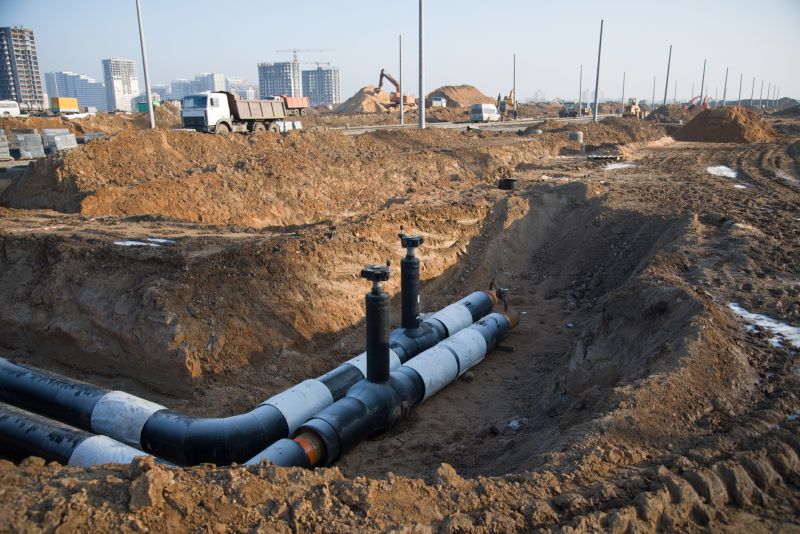
Underground Pipe Installation in Denver, CO
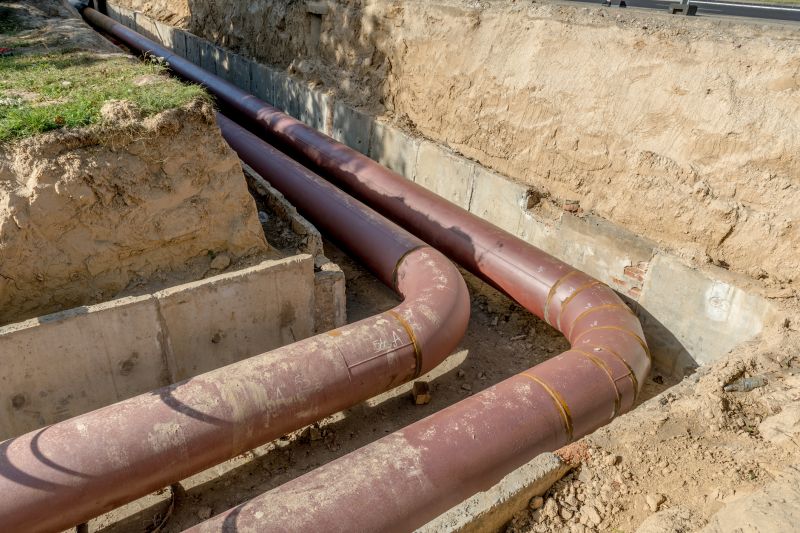
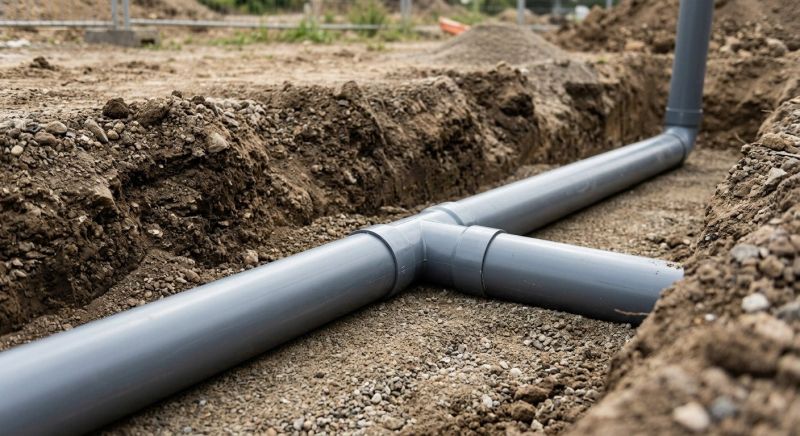
Underground pipe installation services involve placing essential piping beneath the ground surface to support a variety of residential projects. This includes installing water lines, sewer lines, drainage systems, and irrigation pipes. Property owners typically request this service when constructing new homes, upgrading existing plumbing infrastructure, or addressing issues with surface-level piping. Understanding the scope of the project, including pipe materials, depth requirements, and local regulations, is important before requesting installation work to ensure the system functions properly and complies with standards.
Before proceeding with underground pipe installation, property owners should consider factors such as the type of pipe material suitable for their needs, the location of existing utilities, and the intended purpose of the piping system. Proper planning can help prevent future problems like leaks or blockages. It's also helpful to understand the property's soil conditions and any potential obstacles that could impact excavation. Clear communication about project goals and site specifics can support a smooth installation process and long-term system performance.
Many property owners in Denver, CO look into Underground Pipe Installation for repairs, replacements, upgrades, and appearance-related improvements.
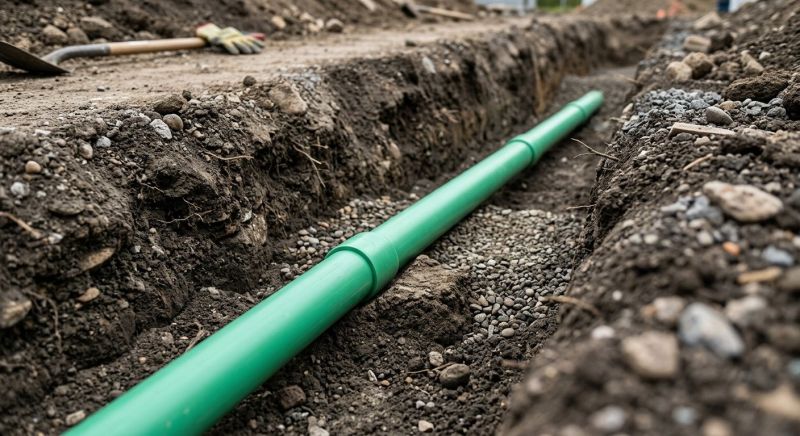
Underground Pipe Installation Overview
Proper installation ensures reliable water and waste management for residential and commercial properties in denver.
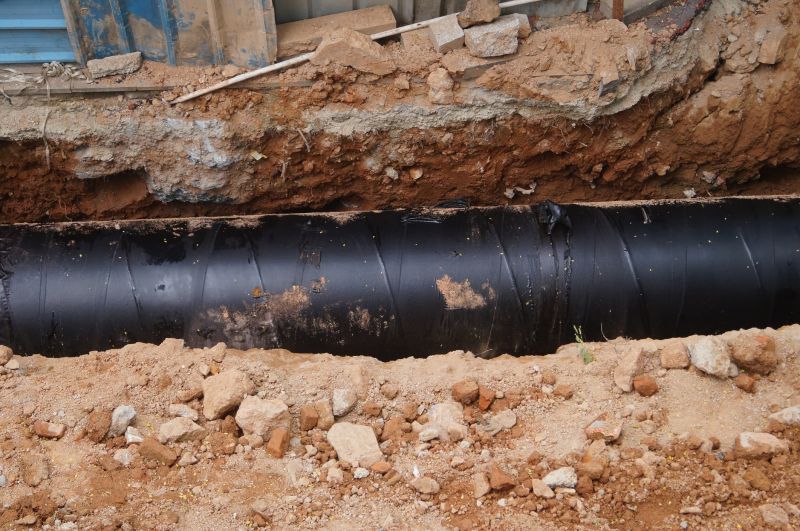
Common Projects And Applications
Services include installing new sewer lines, water supply pipes, and drainage systems for various property types.
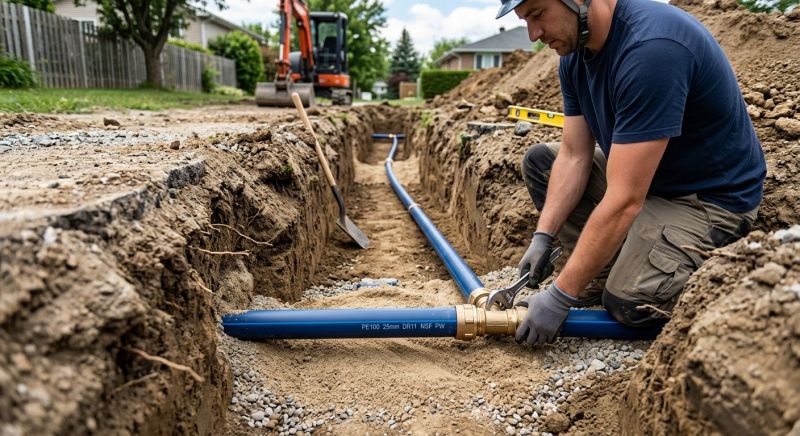
Key Considerations For Property Owners
Understanding soil conditions and local codes helps ensure a durable and compliant underground pipe setup.
Underground Pipe Installation in Denver, CO

Underground pipe installation services involve placing essential piping beneath the ground surface to support a variety of residential projects. This includes installing water lines, sewer lines, drainage systems, and irrigation pipes. Property owners typically request this service when constructing new homes, upgrading existing plumbing infrastructure, or addressing issues with surface-level piping. Understanding the scope of the project, including pipe materials, depth requirements, and local regulations, is important before requesting installation work to ensure the system functions properly and complies with standards.
Before proceeding with underground pipe installation, property owners should consider factors such as the type of pipe material suitable for their needs, the location of existing utilities, and the intended purpose of the piping system. Proper planning can help prevent future problems like leaks or blockages. It's also helpful to understand the property's soil conditions and any potential obstacles that could impact excavation. Clear communication about project goals and site specifics can support a smooth installation process and long-term system performance.
Many property owners in Denver, CO look into Underground Pipe Installation for repairs, replacements, upgrades, and appearance-related improvements.
Common Underground Pipe Installation Jobs
Underground water line installation - ensures reliable water supply for homes and properties.
Drainage pipe installation - helps manage groundwater and prevents basement flooding.
Sewer line replacement - upgrades outdated or damaged sewer systems underground.
Gas pipe installation - provides safe underground routing for natural gas lines.
Irrigation system piping - supports efficient watering for lawns and landscape features.
Utility conduit installation - protects and organizes underground electrical and communication cables.
Underground Pipe Installation Questions
What types of underground pipes are commonly installed? Typical installations include water supply lines, sewer lines, and drainage pipes for various property needs.
How deep are underground pipes usually installed? The depth depends on local codes and property requirements, but generally ranges from 18 inches to several feet below the surface.
What should property owners know before installing underground pipes? It's important to identify existing utilities and obtain necessary permits to ensure proper installation and avoid disruptions.
Can underground pipe installation be done in all soil conditions? Most soil types are suitable, but some conditions may require special techniques or additional preparation for proper installation.
Request Underground Pipe Installation in Denver, CO
Use the quote form on this page to share the basics of your project and request more information for the type of work you need.